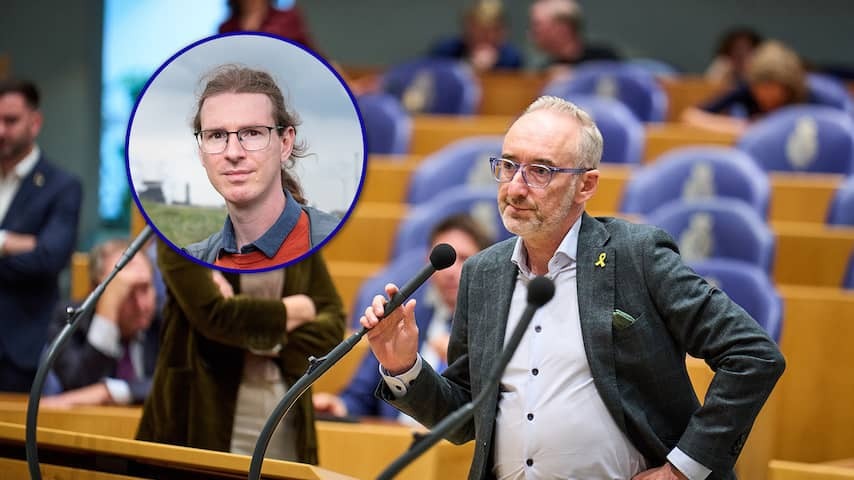
In the De Broeikas section, climate reporter Jeroen Kraan writes every week about what strikes him. This week: Europe has built up a substantial climate debt. Are we going to pay off, or are we taking a second mortgage?
There are a number of slogans in the climate debate that you always hear. The polluter pays. A better environment starts with yourself. And one that has been in vogue in recent years: those who are red cannot do green.
The latter is the favorite wisdom of BBB MP Henk Vermeer. Almost no parliamentary debate passes in which he does not use this spell. In terms of content, there is something to criticize: both in the Netherlands and worldwide, people with less money are usually the greenest. People with some extra zeros in the bank account have the largest climate impact.
At the same time, there is of course some truth in this motto. In investments are needed to make more sustainable, whether it is a house or a factory. Then it does indeed help not to be red.
In the meantime, there are also truths in climate science that are above the water, but still hardly reach the social debate. One of them is this: if the world had been a bit honest, we would not emit anything in the Netherlands anymore.
Emissions are not fairly distributed
That is the case: in the Paris Agreement, the whole world has agreed to limit global warming to well below 2 degrees. You can calculate how many gigatono CO2 have been needed since the start of the industrial revolution to arrive at the current warming of more than 1.3 degrees. And how many gigatons are left to stay under 1.5 or 2 degrees.
That is the global ‘carbon budget’. Of course you prefer to distribute that a bit fairly. This way you prevent the rich of the earth from increasing the entire carbon budget with their SUVs while the rest of the world is no longer allowed to cook rice on a gas stove.
Scientists have therefore devised all kinds of ways to distribute the carbon budget over countries. You can take into account the emissions in the past, the number of inhabitants and the economic strength to make it more sustainable.
So there are all kinds of methods to determine what a fair distribution of the carbon budget is, but the conclusions are quite consistent: in an honest world, rich countries and regions such as the European Union, the United States and Saudi Arabia already brought their emissions to zero. The little bit of CO2 emissions that remains to stay below 1.5 degrees would then have been available for poor countries that have hardly emitted in the past, but now want to develop.
‘Have built up’ ‘
This is what the world does not look like at the moment. We eat a larger piece of the cake than we actually earned. With that we also got fat on the bones: prosperity that we owe to our use of fossil fuels. In the meantime, our emissions are causing more and more damage in countries that have not benefited from that prosperity.
“That is a debt that we have built up,” says researcher Yann Robiou Du Pont of Utrecht University, who is researching a fair distribution of the carbon budget. That is why, according to him, we should not only quickly reduce our own emissions, but also help developing countries greener. With that we will release our climate debt.
EU scientific advisers also state that such international measures are needed on top of our domestic climate policy, to meet the agreements in the Paris Agreement.
Turn the motto
That message has not yet been heard in Brussels. The EU is now heading for a climate goal for 2040 that replaces part of the domestic emission reduction through ‘purchased’ sustainability abroad. In fact, we take a second mortgage on our climate impact.
Of course it is true that we cannot bring our emissions back to zero from one day to the next. It is all the more important that we continue to keep an eye on the debt that we build further with every ton of CO2 that we emit.
To come back to the motto of BBB member Vermeer: you might as well turn it around. We are in red, so we have to do green.
In the column The Greenhouse , Climate Reporter Jeroen Kraan Writes Weekly about what he notices. This Week: Europe HAS Built Up A Considerable Climate Debt. Are we going to pay it off, or are we hiss out a second mortar?
In The Climate Debate, There Are A Number of Slogans That You Keep Hearing. The Polluter Pays. A Better Environment Starts With Yourself. And one that has Become Popular in recent years: Those who are in the Red Cannot Be Green.
The Latter is the favorite wisdom of BBB Member of Parliament Henk Vermeer. There is hardly a parliamentary debate in which he does not use this saying. In Terms of Content, there is something to be said about it: Both in the Netherlands and Worldwide, People with Less Money Are Usualy The Greenest. People with a Few Extra Zeros in Their Bank Account Have the Greatest Climate Impact.
At the same time, there is of course a core of truth in this motto. To make something more Sustainable, WHETER IT CONCERNS A HOUSE OR A FACTORY, Investments are needed. Then it does indeed help not to be in the red.
Meanwhile, there are also truths in climate science that are as clear as day, but still hardly reach the social debate. One of them is this: if the world were a bit fairer, we in the Netherlands would no longer emit anything.
Emissions are not distributed fairly
It works like this: in The Paris Agreement, The Entire World Agreed to Limit Global Warming to Well Below 2 Degrees. You can Calculate How Many Gigatonnes of Co2 Have Been Needed Since the Beginning of the Industrial Revolution to Reach The Current Warming of More Than 1.3 Degrees. And how many gigatonnes remain to stay below 1.5 or 2 degrees.
That is the global ‘carbon budget’. You would of course prefer to distribute this a little fairly. This Prevents The Rich of the Earth From Using Up The Entire Carbon Budget With Their Suvs While the Rest of the World is No Longer Allowed to Cook Rice On A Gas Stove.
Scientists have Therefore Devised All Kinds of Ways to Distribute The Carbon Budget Across Countries. You can take Into Account Emissions in the Past, The Number of Inhabitants and the Economic Power to Make Things More Sustainable.
So there are all kinds of methods to determine what a fair distribution of the carbon budget is, but the conclusions are fairly consistent: in a fair world, rich countries and regions such as the European Union, the United States and Saudi Arabia would have already reduced their emissions to zero. The Small Amount of Co2 Emissions That Remains to Stay Below 1.5 Degrees would have Bone Been Avade to Poor Countries That Have Hardly Emitted Anything In The Past, But Now Want To Develop.
‘Have Built Up Debt’
That is not how the world currently looks. We are eating a bigger piece of the pie than we actually deserved. As a result, we have also gained fat on our bones: Prosperity that we owe to our or fossil fuels. Meanwhile, Our Emissions are causing increasing damage in Countries That Have Not Benefited From That Prosperity Themselves.
“That is a debt that we have build up,” Says Researcher Yann Robiou du Pont of Utrecht University, Who Conducts Research Into A Fair Distribution of the Carbon Budget. That is why, accordance to him, we must not only quickly reduce our own emissions, but also help developing country greener. This is how we pay off our climate debt.
The EU’s most Important Scientific Advisors also State that Such International Measures are Needed in Addition to Our Domestic Climate Policy to Comply With The Agreements in the Paris Agreement.
Turn the Motto Around
That message has not yet leg heard in Brussels. The EU is now Heading Towards a Climate Target for 2040 That Replaces Part of the Domestic Emission Reduction with ‘Purchased’ Sustainability Abroad. In Fact, We Are Taking Out A Second MortGage On Our Climate Impact.
Or Course, We Cannot Reduce Our Emissions to Zero Overnight. It is all the more important that we keep an eye on the debt that we continuously to build up with every Tonne of CO2 we emit.
To return to the motto or BBB Member Vermeer: you might as well turn it around. We are in the red, so we have to go green.