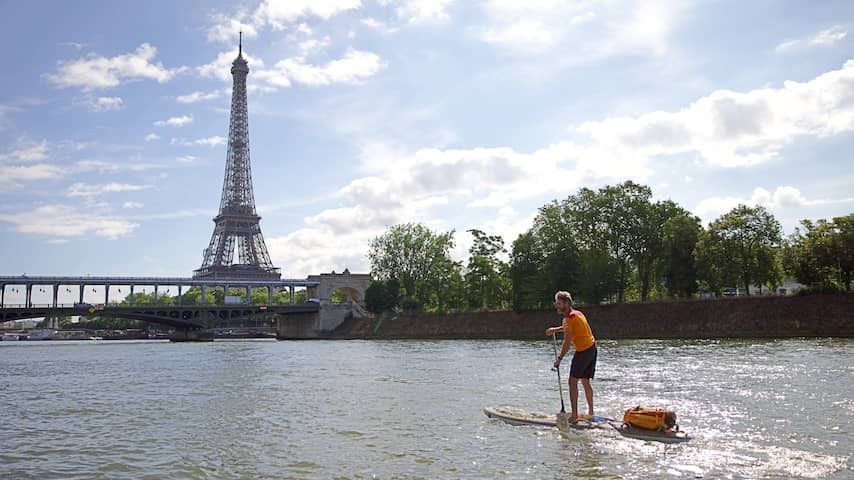
The Dutch biologist and artist Merijn Tinga paddled and windsurfed through Europe to draw attention to plastic pollution, but had to give up just before the finish line. Now he has written a book about his many years of fight against litter. “I want to give a reply against discouragement.”
Plastic bottles, packaging, ropes: Tinga saw everything pass by while windsurfing and kiting. In 2014, the biologist from Leiden decided to convert his frustration about the plastic problem into activism. He is now nine long -distance surfing expeditions and two books away.
Tinga, who is also an artist, built a surfboard of plastic waste that he himself Jutte. To draw attention to plastic pollution, he would kite surfing from the Belgian Wadden on the tough plastic board from the Belgian Wadden. A route of about 350 kilometers over the North Sea, right through a busy shipping route.
He could have breaked a record as the first surfer who kite surfing from Belgium to Germany. But that record would never be in his name.
Tinga eventually stranded on Ameland, with fever, injuries and feet that open the sharp board. “The trip was just too heavy,” he says about that now. He had to give up the finish line in Borkum, but the Plastic Soup Surfer was born. Today his book appears against the current .
The environmental problem is great: why do you focus on plastic pollution?
“Because the problem is so tangible. As a result, changes are also very concrete and visible, which in turn motivates to continue. Take plastic bottles, which you hardly see in the environment anymore in the Netherlands.”
Since 2015, Tinga’s expeditions regularly received the news and according to him there was also more attention for plastic pollution. “But I soon saw: awareness is not enough if we want to change things. Policy is needed.”
In 2017, Tinga and his team collected 55,000 signatures for a petition to raise deposit on small bottles to prevent stray plastic. The proposal came with broad support from the House of Representatives and was introduced in 2021.
According to figures from the ‘stray tiner’ – or Dirk Groot – the amount of bottles has fallen by 70 percent since the introduction of deposit. With cans that is 80 percent. Great picks up litter and collects data about what he encounters. His research is then used again by Rijkswaterstaat.
Not every promotion is equally successful. Tinga would paddle over the rivers to southern France last June with a SUP. At that time the UN-OREANE CONFERATION took place, where countries discuss how the ocean can be better protected. After 1,250 kilometers of paddling, Tinga Meters was fished out of the water for the finish line by the French maritime police. “At that moment you are of course disappointed, even if it is a good story afterwards.”
The world has difficulty tackling the plastic problem, it also became clear again at the failed plastic top in Geneva. Landen did not succeed in closing a plastic treaty to tackle the problem. How do you look at that outcome?
“It is really very disappointing, but not surprising. A few months before that top has already failed. What you see is that there is a very large group of countries and organizations that really want change. But consensus is not coming. That is the polarization that we see all over the world.”
“I think that many people now feel discouragement. As a student (in the nineties, ed.) I had the feeling that all problems would disappear worldwide. You saw that in all sorts of ways: left -wing cabinets, defense were phased out, everything went ahead. Now you see a feeling of inability to do something with climate change and wars. In the book I have tried.”
Your book is about having hope. How have you never lost it yourself?
“The observation that we cannot tackle the problem with each other is already a loss of hope. I also felt that discouragement myself very strong. Until I found out that you can change things within your own sphere of influence by taking action. That is your responsibility.”
Tinga is now working on a study with researchers from TU Delft. For this they analyze which properties of packaging ensure that they end up in the environment faster. The next expedition is also planned. This time he wants from Oslo to Rome Suppen, where there is no functioning deposit system yet.
How do you prepare for a months -long surf expedition, such as now to Italy?
“I am always training. I exercise five times a week: triathlontraining and I windsurf a lot in the months for such a trip. On vacation we usually go canoeing with the family for three weeks. Actually, I am constantly preparing an expedition: physically, but also mentally.”
The Dutch Biologist and Artist Merijn Tinga Paddled and Windsurfed Across Europe to Draw Attention to Plastic Pollution, but had to give up just before the finish. Now he has written a book about his years of fighting litter. “I want to give a response to discourse.”
Plastic Bottles, Packaging, Ropes: Tinga Saw All Kinds Of Things Floating Fits While Windsurfing And Kiting. In 2014, The Biologist from Leiden Decided to Turn His Frustration about the Plastic Problem Into Activism. He has now complete nine long-distance surfing expeditions and two books.
For example, tinga, who is also an artist, build a surfboard from plastic waste that he himself collected. To Draw Attention to Plastic Pollution, He would kite surf from Belgian Knokke to the German Wadden on the Heavy Plastic Board. A Route of Approximately 350 kilometers Across The North Sea, Through a Busy Shipping Route.
He could have broken a record as the first sursturer to kite surf from Belgium to Germany. But that record would never be in his name.
Tinga anyful ended up on Ameland, with fever, injuries and feet that were open from the sharp board. “The trip was just too difficult,” he says about it now. He had to give up the finish in Borkum, but the plastic soup surfer was born. His book Against the Current is published today.
The Environmental Problem is Big: Why Do You Focus On Plastic Pollution?
“Because the problem is so tangible. This makes changes very concrete and visible, which in Turn Motivates you to continue. Take plastic Bottles, you hardly see them in the Environment in the Netherlands Anymore.”
Since 2015, Tinga’s Expeditions Have Regularly Made the News and, According to Him, More Attention Has Been Been To Plastic Pollution. “But I Soon Saw: Awareness is not Enough if we want to change things. Policy is needed.”
In 2017, Tinga and HIS team collected 55,000 signatures for a petition to levy a deposit on small bottles to combat litter plastic. The proposal passed the house of representatives with broad support and was introduced in 2021.
Accordance to figures from the ‘stray tinator’ – or Dirk Groot – The Number of Bottles has decreased by 70 percent since the introduction of Deposit Money. For Cans That is 80 percent. Big Picks Up Litter and Collects Data About What He Encounters. His Research is then Used by Rijkswaterstaat.
Not Every Action is Equally Successful. For Example, Tinga would paddle over the rivers to the South of France with a SUP Last June. The Un Oceans Conference was Taking Place There at That Time, Where Countries Are Discussion How to Better Protect the Ocean. After Paddling 1,250 kilometers, Tinga was Fished of the Water by the French Maritime Police Meters Before the Finish. “At that moment you are of course disappointed, although it is a good story afterwards.”
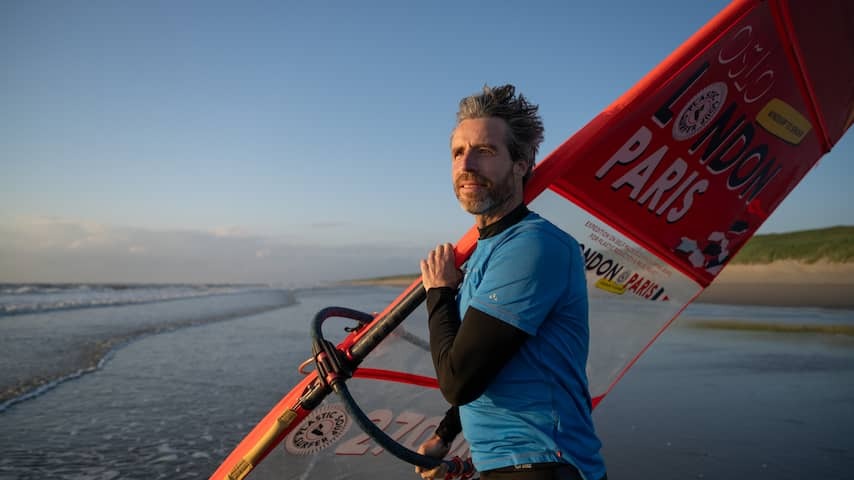
The World is struggling to tackle the plastic problem, which also became clear at the failed plastic summit in Geneva. Countries failed to reach a plastic treaty to tackle the problem. How do you view that outcome?
“It is really particularly disappointing, but not surprising. That summit also few months earlier. What you do see is a very large group of Countries and organizations that really. World. “
“I think many people now feel discouraged. As a student (in the 1990s, ed.) I had the feeling that all problems worldwide would disappear. You saw that in all child of ways of ways: there were more left-wing cabinets, everying andyance was reduced forward, Eversyinge. Wars you see a feel of inability to do something about it in the book I have tried to give a response to that discourse. “
Your book is about Keeping Hope. How did you never lose it yourself?
“The realization that we cannot tackle the problem together is already a loss of hope. I also felt that discouragement very strongly myelf. Until i realized that you can change your own your own sponsity by Taking Action.
Tinga himself is now also working on research with researchers from TU Delft. They are analyzing which are property or packaging caus them to end up in the environment more quickly. The Next Expedition is also Already Being Planned. This time hey to sup from oslo to rome, where there is no functioning deposit system yet.
How do you prepare for a months-long surfing expedition, such as now to Italy?
“I’m always training. I Exercise Five Times A Week: Triathlon Training and I Windsurf A Lot In The Months Before Such A Trip. When We Go On Vacation We Usually Canoe With The Family For Three Weeks. Actual, I am Constantly Preition for Expedition: Expeding.