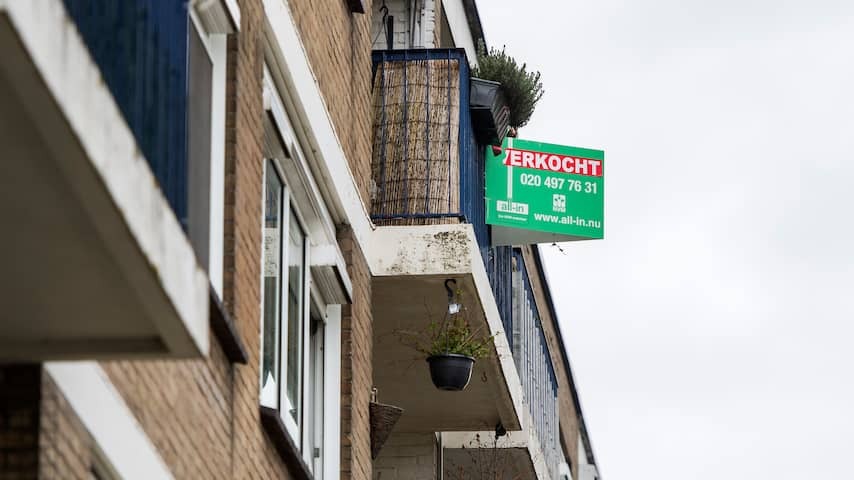
The Dutch are changing home faster and faster, reports research agency Calcasa. Until now, almost a quarter of the homes sold were in the owner for shorter than five years this year. Especially with apartments, the keys quickly change hand.
Calcasa saw that 22 percent of homeowners had their house sold for less than five years. In 2016, that only applied 14 percent of the transactions. Since 2023, more and more homes have been sold anyway. The fast living changes can come through, whereby landlords sell their rental properties.
“Housing investors more often sell their rental homes because renting out homes yields less,” says Carola de Groot, economist Huizenmarkt at RorborSearch. “The rent increases are more limited and income is taxed more heavily.” According to her, that also explains why apartments change the fastest by ownership, because they are rented more.
De Peak has not yet reached the Volondgolf, sees De Groot based on his own research and figures from the Land Registry. “The number of rental properties sold is still increasing. I only expect that it will be declining in the second half of 2026. Since 2024, I have made a temporary lease contract more difficult.” With more lease contracts for the long term, tenants continue to live for longer at their address and it will probably decrease.
The turnover speed of houses is very high in the Randstad. That is also the place where relatively much is pounded. In Amsterdam and Utrecht, more than half of the houses changed ownership over the past ten years. Lelystad is the outlier in the rest of the country. 26 percent of homeowners were the owner for less than five years before a sales sign entered the garden.
At the same time, the number of Dutch people will increase for longer in his owner -occupied home. More than twenty years of home owners lived at the address for more than twenty years, Calcasa sees the transactions. Ten years ago that was 28 percent. This solid target group mainly sells single -family homes.
Aging explains the increase, De Groot thinks. “The current generation of the elderly bought homes much more often in their younger years,” she says. As a rule, older Dutch people stay in the same home for a long time. De Groot: “There is also a suitable offer, but otherwise these people are very satisfied with their house. They like to live there for as long as possible.”
Dutch People are Switching Homes Faster and Faster, Accordance to Research Agency Calcasa. So far, Almost a Quarter of the Homes Sold This Year Were Owned by The Owner For Less Than Five Years. ESpeciate with Apartments, The Keys Quickly Change Hands.
Calcasa Saw That 22 percent of HomeWers had Their Sold House for Less Than Five Years. In 2016, this was only the case for 14 percent of the transactions. Since 2023, More and More Homes Are Being Sold Anyway. The Rapid Housing Changes May Be Due to the Selling Off of Rental Properties by Landlords.
“Housing Investors Are More Likely to Sell Their Rental Properties because Renting Out Homes Yields Less,” Says Carola de Groot, Housing Market Economist at RaborSearch. “Rent Increases are more restricted and income is Taxed More Heavily.” Accordance to her, that also explains Why Apartments Change owners the fastest, because they are interested out more.
The Wave of Selling Off Has Not Yet Reached Its Peak, De Groot Sees Based On Her Own Research and Figures From The Land Registry. “The Number of Rental Homes Sold is Still Increasing. I Don’t Expect It To Decrease Until the Second Half of 2026. Since 2024, Offering a Temporary Rental contract has Become More Difficult.” With More Long-Term Rental Contracts, Tenants Stay at Their Address Longer and the Selling Off Will Probable Decrease.
The Turnover Rate of Homes is very high in the Randstad. That is also the place where relatively much is being sold off. In Amsterdam and Utrecht, More Than Half of the Homes Changed Owners in the Past Ten Years. In the rest of the country, Lelystad is the Outlier. 26 Percent of HomeWers Owned Their Home For Less Than Five Years Before A For Sale Sign Appeared in The Garden.
At the same time, the number of Dutch People who stay in their owner-occupied Homes Longer is Increasing. More than 35 percent of homeowners have lived at the address for more than twenty years, calcasa sees in the transactions. Ten years ago, that was 28 percent. This Steadfast Group Mainly Sells Single-Family Homes.
Aging Explains the Increase, De Groot Thinks. “The Current Generation of Elderly People Bought Homes Much More Often In Their Younger Years,” She Says. As a rule, Older Dutch People Stay in the same home for a long time. De Groot: “There is also a Lack of Suitable Supply, but otherwise these people are very satisfied with their home. They like to stay there as long as Possible.”