Asylum Seekers in the Netherlands Suffer Psychological from the Seemingly Endless Duration of Their Asylum procedure. The Uncertainty and Stress of Long Waiting Times and Transfers Can Lead to Serious Mental Complaints. “I treat people who have fled after torture and say: This is worse.”
Vluchtelingenwerk (Refugee Work) Reported on Monday that refugees Suffer from the endless asylum procedure. In Addition to the negative effects on their psychological and physical health, it also prevents refugees from participating in Dutch society.
Experts see a stacking or waiting moments. The Asylum Application, Family Reunification, and Obtrining a Home Can also Take Years. Legal Deadlines Are Attached to These Procedures, But They Are Regularly Exceeded. This causes a lot of stress, something for which there is hardly any outlet in an asylum seekers center.
In An Asylum Seekers Center (AZC), All Coping Mechanisms for these Complaints Are Removed, Says Professor of Psychotraumatology Elisa van Ee To Nu.nl. Distraction, Allowing Your Emotions, OR Discussion Them with Family is not Possible or Very Difficult. “You have no money to underdertake anything. It is more diffress to speak to your friends, you cannot go to work,” She says.
Van Ee, who also treats traumatized refugees, sees the excesses of this hopeless waiting. “We see people with serious traumas, from rape to torture. They make statements like:” The sausage thing that happened to me is this. ” They think they have escapeed something inhuman, and then end up in such a sickening system. “
‘Mattress is Your Personal Space’
It has lung leg know that long waiting times in the asylum procedure lead to psychological complaints, says elize narrow, advisor health and migration at knowledge center pharos. Accordance to narrow, the problem is increasing because and more people have to wait a long time. This is of due to the limited capacity of the immigration and naturalization service and the problems with accommodation the refugees.
Most Mental Problems are Treated by Healthcare Providers of Healthcare Asylum Seekers (GZA). Arts and Zorg Group, which includes GZA, Recognizes the Picture That Long Waiting Times Within The Asylum Procedure Can Lead to Physical and Mental Complaints, Says a Spokesperson.
Most Asylum Seekers Have Fled Violence, War, And Terror, Van Ee Explains. In Addition to these unpleasant experiences, they also experience huge loss. Van Ee: “Their whole life after Their Flight is characterized by Loss: Their Home, Work, Culture, Friends, Language, Meaningful Way to Spend Their Life.”
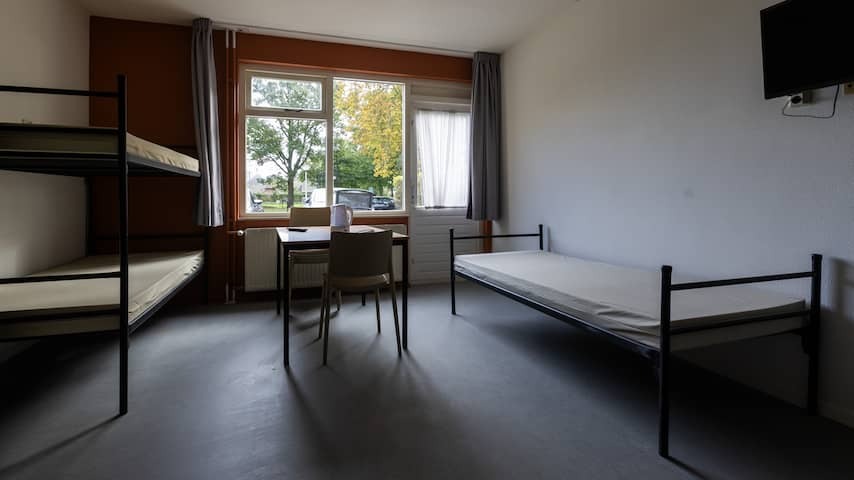
In an azc, there is hardly any space to give these emotions a place, sees psychiatrist imma van Galen. Some refugees have leg in Roman with bunk beds for two years. “Then your Mattress is your personal space,” Says van Galen.
People Become Passive from Hopelessness
The Many Transfers to Other AZC’s Exacerbate the Problems. For Example, Asylum Seekers Try to Build Friends Ships with Each Other. But with a transfer you can all over again, Says van Ee.
The care also Suffers from the transfers, Sees van Galen. For example, Refugees with, for example, post-traumatic stress disorder (PTSD) are first on the waiting list of a mental health institution. Sometimes they have just leg through it and are transferred again. Then they end up on the waiting list again. Van Galen: “Care providers then try to give some priority, but that Doesn’t Always work.”
The experts see that all thesis uncertainties can caus asylum seekers to withdraw. Van Ee: “If you expose people too much to pain and stress, psychological complaints increase hugeisly. There comes a hopeless that makes them very passive. Then they no longer get out of those problems.”
Vluchtelingenwerk also Warns About this in the Research. “People Become mentally and physically exhausted. While good health is so important to learn the Dutch Language, Find Work, and Build a Social Network.”
Looking at what you do have control over
The therapists Try to look with the asylum seekers at the things in their lives that they do have control over. “You have control over the contact with your children and wife, if they are also there,” Says van Ee. “You may not be able to give something, but you can cook or walk them. That helps to experience a sense of control.”
Van Galen Recognizes This approach. They look, for example, at activity or volunter work. Accordance to the psychiatrist, the refugees also because to contribute something to society and not just be the recipient. In Addition to the Activities, There Are Discussion Groups Where Refugees Can Share Their Experiences. “But all this is arranged differently per reception.”
Many Refugees Are Resilient, Emphasizes van Galen. They have of already experienced a lot duration the journey. But The Difficult Thing is that their life Suddenly Comes to a standstill and They Can’t Do Anything About It, Says The Psychiatrist. “You end up in standby mode.”
Smal quotes a statement from a care provider who is also menttioned in The VluchtelingenWerk Report. “It’s mopping with the tap open. That waiting make them sick, but we don’t do enough about it.”