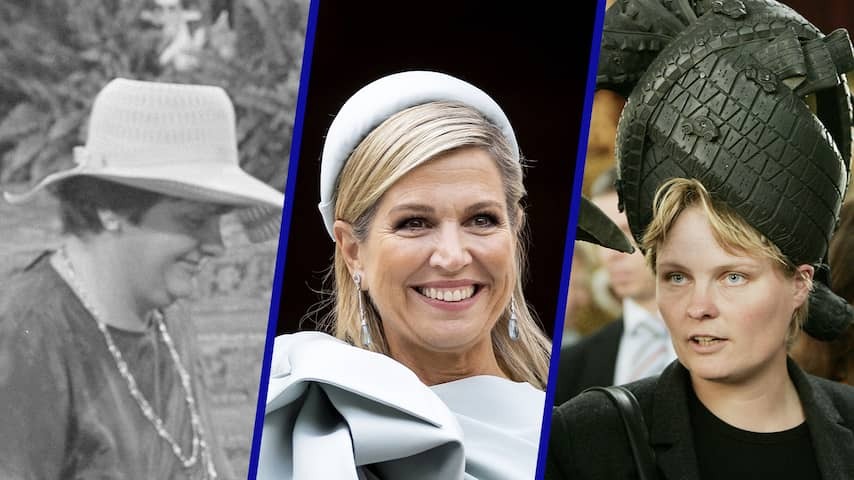
From Wide Hats to Elegant Headbands: The Hat Parade On Prinsjesdag Remains a Striking Tradition, But Fashion and the Spirit of the Times Are Changing. How did we get this colorful habit and what is left or it?
Hats Used to Be An Essential Part of a Woman’s Outfit Outdoors, Royal House Reporter Rick Evers Tells Nu.nl. “In The Past, a Woman Wore A Hat when she is used outside the day. That dress code is still followed by our royals at the most official occasions.”
After the First World War, This Changed. Queen Wilhelmina Thought That Less Pomp and Circumstance was appropriate, Says Evers. “Erica Terpstra Brought It Back On Prinsjesdag in 1977, But the Tradition of Women Wearing Hats Dates Back Much Earlier.”
In 1977, Terpstra was The First Female Parliamentarian to Wear a Hat Duration Queen Juliana’s Speech from the Throne. Accordance to her, the hat was a tribute to democracy and the monarchy, she told nos .
In 2019, she reflected on this in an interview with nu.nl. “It was a cozy, black hat with a wide brim,” she said. “Duration my studies in Leiden, it was normal to wear a hat for festive occasions. Going to the parliamentary new year with special clothing felt discourteous. Prinsjesdag is the Celebration of Democracy. A hat fit perfectly with that.”
The Evolution of Hat Culture
The Former Member of Parliament for the VVD Never Expected That Her Fashion Choice would Unleash A Tradition of More Than Four Decades. But the hat parade of today is no longer like it was in the first thirty years.
Female Politicians are increasingly using their hats to make statements. For Example, Marianne Thieme Appeared on Prinsjesdag in 2009 with a black chef’s hat with ‘ Meat Free Monday ‘ On It. Two years later, shee An Admiral’s Cap With ‘ Save Our Seas ‘. Her Successor Esther Ouwehand chose a hat in 2021 That resembled a chopped tree trunk.
Krista van Velzen, Former Member of the House of Representatives on Behalf of the CDA, also Made a Striking Political Statement. In 2005, shee a top hat made of Eight Kilos or Car Tires. You can see the hat in the photo above this article, on the right. Van Velzen Used This To Draw Attention to Her Fight Against Excessive Asphalt Use.
Terpstra Said That She Found it inappriateate at the time. “Prinsjesdag is not a time for political statements. It is a day to dress nicely and honor democracy.”
Royalty journalist Josine Droogendijk Shares That Opinion. Accordance to her, Prinsjesdag is intended as a chic and solemn gathering. “Dress Neatly. Especiate now, in Times of Low Confidence in Politics, You Are Giving a Powerful Signal.”
What can we expect this year?
Evers Says That The Tradition of Wearing Hats is Losing Strength. “Hats are getting narrower and less prominent. Our royal family is moving with the times. Compared to england, where traditions are strict, the Netherlands is showing more and more flexibility.”
Droogendijk Notes That Queen Máxima and Princess Amalia, For Example, More Often Opt For Wide Headbands Or Cocktail Hats. These are more practical and asier to wear without pins or clips. If politicians adopt this trend, we may see it again this year.
Despite Changes, the Core of the Tradition Remains intact. What Once Begen As An Ode To Democracy by Terpstra is Now An Opportunity for Politicians to Show Their Own Flair. Accordance to Droogendijk and Evers, that flair is most beautiful when it is combined with respect and appropriate solemnity.