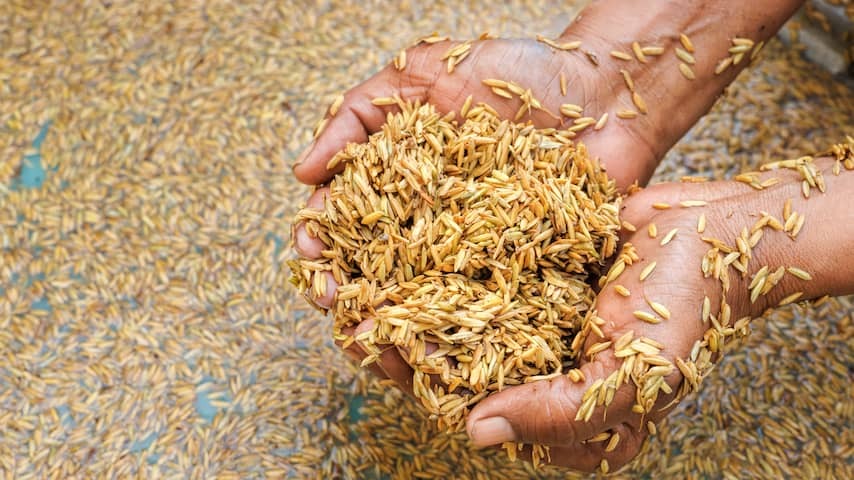
A conflict between India and Pakistan about who may use the name ‘Basmati’ for their rice is Disrupting Negotiations on A Trade Agreement between India and the European Union.
Both India and Pakistan Believe that only their own rice deserves the official name ‘Basmati’. That Label is Worth a Lot, because Basmati Rice is Sold Worldwide at Higher Prices Than Other Rice.
Whoever gets to use the name will ultimately gain a significant advantage in the export market. India Has Been Waiting for years for its application to be Recognized by the EU, But Pakistan Has Since Filed a Counterclaim.
Meanwhile, India and the Eu Have Been in Talks for Months About A New Free Trade Agreement. That Agreement Should Ensure Lower Import Duties, Better Market Access and Clear Rules for Services, Digital Trade and Investment.
Those Involved Have Told the Financial Times that a Large Part of the Agreement Has Already Been Completed. The EU and India Have also Committed to Reaching an Agreement Before the End of 2025.
American Tariffs Increase Pressure
However, there are Still Major Stumbling Blocks, because the battle over the name ‘Basmati’ is more than symbolic. It determines who gets access to a lucrative European Market for Premium Rice. Until it is clear who can use the name, it is Difficult for the eu to make definitive agreements on agricultural products and trade rules.
In Addition, The EU Wants India To Lower its High Tariffs on Items Such As Cars, Wine, Dairy and Medical Devices. India, in Turn, is resisting European Rules on Sustainability and Climate, Such as the New CO2 Levy.
In Addition, recently US Import Dekens on Indian Basmati Rice Have Increased the Pressure On The Country. The US Now Applies a Tariff or 50 percent on Basmati Rice from India. For India, this is an extra reason to push for a successful agreement with the EU.