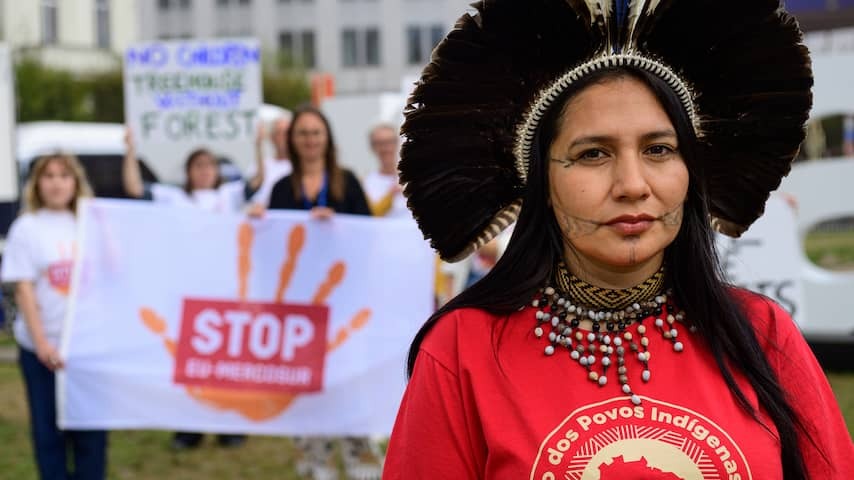
Indigenous Areas in Brazil Are Under Severe Pressure from Deforestation and Climate Change. A Delegation of Leaders is Visiting Europe to Raise Awareness of Threats to Their Habitat, Where the Thirtieth Climate Summit Will Take Place in November. “The Attack on Our Nature is a global crisis.”
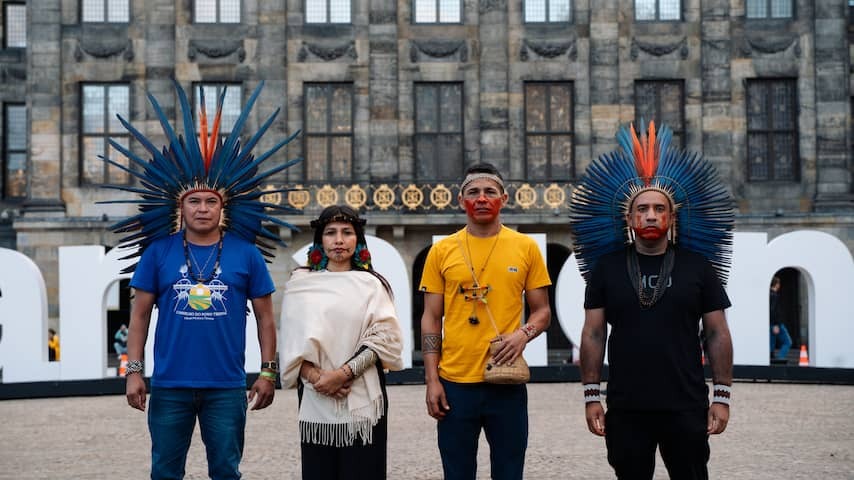
“How green it is here!” Notes Otacir Terena. The Indigenous Leader from the World’s Largest Wetland Area, The Brazilian Pantanal, is Genuinely Impressed by Dutch Nature. However, Europe takes some getting used to for him and his creameagues dinamam tuxá and luana kaingang. The Indigenous Leaders from Brazil are on the other side of the ocean for the first time.
They Will Travel Through The Netherlands, Sweden, France, Luxembourg and Denmark in the Coming Weeks, With the Aim of Drawing Attention to the Amazon Rainforest and the Conditions in which the Original Inhabitants Live. The Delegation Will Be Received at the Ministry of Foreign Affairs and the European Parliament, Among Others.
Kaingang Has Come from the Pampas, The Standing Tassy in the South of Brazil. “A biome that has been even more affected than the Amazon,” Says the folk leader and law student in conversation with nu.nl (via an interpreter).
Climate Change Threatens The Quality of Life in the Pampas. “We Have Increasing Problems with Flooding,” Says Kaingang. Last year, in The Tail End of El Niño, A Flood Destroyed a Large Part of Porto Alegre, A Major City in Southern Brazil. “My Mother Said: I have never SEEN Such immense floods in my life.”
As She Speaks, She Twists Her Traditional Bracelet, Woven from Bamboo by Her Mother. Just that extremely strong plant has bone growing less vigorously in the pampas in recent years.
Fear of Exploitation by Companies
Where Terena Lives, there are very different challenges. For example, he sees less rainfall in his area, causing the rivers to dry up. He is a Councilor and Leader of the Terena People in The Pantanal, which Borders Bolivia. Terena is Crystal Clear About the Reason for his Visit: “We want support from European Countries,” He says.
He points to the free trade agreement between the EU and Latin American Countries: The Mercosur Agreement. That Pact Should Ease Trade Barriers, Although There Are Concerns on Various Sides. For Example, About Environmental Damage in Nature Reserves, But also about Unfair Competition for European Farmers. Brazil is One of the Largest Meat Exporters in the World.
Lawyer Dinamam Tuxá From the Cerrado Savanna Area Fears That The Treaty Will Ensure That Large Companies Further Exploit Their Areas, At The Expense of the Living Environment. More Beef Production and Soybean Cultivation, HE Says, Leads to the Destruction of Natural Resources. “Our rivers are Polluted and Deforestation Destroys Our Land,” Says Tuxá.
The Indigenous Delegation is Therefore Campaigning for International LegiLation in the Area of Deforstation and for Recognition of Indigenous Land.
Climate Summit Can Give Space to Indigenous Voices
In November, World Leaders and Diplomats Will Meet In The Brazilian City of Belém for the Thirtieth Climate Summit, Where they will negotiate International Climate Policy. Host Country Brazil Wants to Put itself on the Map With Cop30, Preferential with A Breakthrough Similar to the Paris Agreement Ten Years Ago.
At the same time, criticism of the climate process is growing from experts and activists, because progress is said to be too slow to pronly protect the climate. For Example, Only a Few Countries Have Submitted Their (Mandatory) Climate Plans, While the Deadline is approaching.
The Three Indigenous Leaders are also critical, but also see opportunities in The Climate Summit. Accordance to them, it can draw attention to the problems of the indigenous peoples from the amazon and other areas. That is why they are also organizing an indigenous summit right next to the climate summit, where representatives or peoples from all about Brazil Will Come.
Kaingang Hopes That Cop30 Can Ensure That Her Country Receives Protected status. Because accordance to her, those ecosystems are crucial for the global climate system. “The attack on our nature is a global crisis,” She says.