Large Dutch supermarket chains continue to sell Israeli products, despite criticism of the war in Gaza. Does it make sense to remove these products? “If Dutch supermarkets they don’t sell, other countries do.”
The supermarket chains, including Albert Heijn and Jumbo, continue to sell the Israeli products for the time being, they announced on Tuesday at ANP news agency. Lidl consults about his offer, but there too the products are still on the shelves.
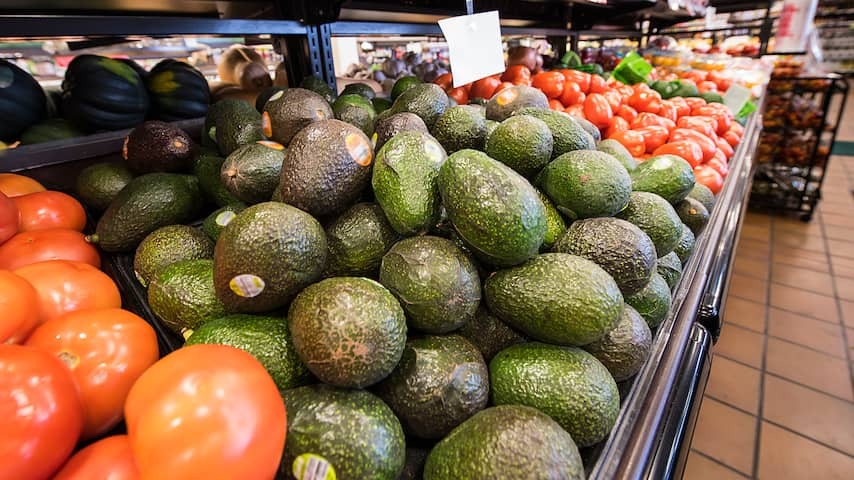
The supermarkets do not indicate which products are involved. “It depends on the season. But they are often agricultural products such as dates and potatoes from Israel,” says Lydia de Leeuw, researcher at Stichting Multinational Enterprises (SOMO). The supermarkets themselves are also talking about Israeli peanuts, peppers and avocados.
Stores such as Albert Heijn and Jumbo say that they adhere to the applicable national and international laws and regulations. No sanctions have yet been established against trade with Israel; Companies can do business freely. In addition, the supermarkets ensure that products do not come from occupied areas.
But according to De Leeuw it is impossible to see where the Israeli products really come from. “In the Israeli economy, no distinction is made between products from Israel itself and products from the occupied territories, actually Palestinian territory. Such a label as ‘Made in Israel’ is therefore often misleading.”
Especially worry about image
At the moment, supermarkets are mainly concerned for their image, says Dawid Walentek, sanction expert and researcher political economy at Ghent University. It is relatively easy for them to choose a product from another country if the Dutch do not want to buy certain products, he says. “Maybe they have contracts with Israeli suppliers, making it more difficult to get rid of it. But if they really want it, it should work.”
“In principle, companies want to earn money. That makes sense,” says the researcher. According to him, if the products just sell, the supermarkets have no reason to get them out of the shelf. “In addition, some supermarkets may not see it as their role to make this kind of ‘political’ decisions, because where is the border?” Walentek explains.
It becomes much easier for stores if the government determines that they are no longer allowed to sell Israeli products, the researcher says. “If you want Israeli products not to come to the Netherlands or Europe, a stricter approach is therefore needed, such as sanctions,” he says. With sanctions, supermarkets have no other option: they simply cannot buy or sell the products.
‘Sanctions on food from Russia little effect’
There is currently no sanctions. However, the European Union is now discussing whether it should suspend the association agreement with Israel. That affects the trade relationship between Israel and Europe, although it is still uncertain whether this would have direct consequences for products in the supermarket.
Walentek doubts whether sanctions on Israeli food will improve the situation in Gaza. “After the annexation of the Crimea in 2014, sanctions on Russian food were introduced. That had little effect, after which Russia invaded Ukraine.”
According to the researcher, the question is whether repetition of measures at the time will now yield a lot. “Then it was about apples from Russia. Why would it have an effect when it comes to dates from Israel?”
In addition, the question is how many products are actually involved. “If it is only a small number of products, sanctions have even less chance of success,” says Walentek.
In 2022 the value of imports from Israel was 2.7 billion euros, Statistics Agency CBS reported. Important products that come to the Netherlands are rough oil, medicines and electronic devices, but also fruit and vegetables.
So it seems that quite a few fruit and vegetables are being sold in the Dutch supermarkets, but that is not too bad, says Walentek. Agriculture is only a small part of the economy in Israel, about 1 to 2 percent. “So not really a relevant part of the economy,” says Walentek.
In addition, the Netherlands is one of the largest markets for fruit and vegetables. But much of what comes in is channeled through the port of Rotterdam to other countries, such as the United States, Walentek emphasizes.
An effect on Israeli farmers
Yet there is one group that will feel good if no more products are transported to the Netherlands. “For Israeli farmers, there is millions of euros. Export is a large part of their income for them,” Walentek explains.
The researcher explains: if the Netherlands or Europe decided not to buy food from Israel anymore, it may be that farmers and agricultural businesses will put pressure on politicians to end the war in Gaza. “In the Netherlands, farmers have also had a lot of political influence in recent years, so that can help.”
But according to Walentek, the chance that this will happen is small. “If Dutch supermarkets do not sell the products, other countries do.” Then Israel simply sells more to India, Australia or the US.
If no more Israeli products are sold in Dutch supermarkets, that will not have much effect, the researcher thinks. “It may give consumers a good feeling that something is being done. That is the only thing.”
Major Dutch Supermarket Chains Continue to Sell Israeli Products, Despite Criticism of the War in Gaza. Does it make sense to remove these products from the shelves? “If Dutch Supermarkets Don’t Sell Them, Other Countries Will.”
The Supermarket Chains, including Albert Heijn and Jumbo, Are Still Selling The Israeli Products for the Time Being, They Told Press Agency ANP on Tuesday. Lidl is consulting about its sacrifice, but the products are still on the shelves there too.
The supermarkets do not disclose Exactly which products are Involved. “It Dennpends on the Season. But they are or agricultural Products Such as dates and potatoes from Israel,” Says Lydia de Leeuw, Researcher at the Center for Research on Multinational Corporations (SOMO). The Supermarkets Themselves also Mention Israeli Peanuts, Peppers and Avocados.
Stores Such as Albert Heijn and Jumbo Say They Adhere to Applica National and International Laws and Regulations. There are no sanctions against Trade with Israel Yet; Companies are free to do business. In Addition, The Supermarkets Assure That Products Do Not Come From Occupied Territories.
But accordance to the lion, it is impossible to see where the Israeli Products Really come from. “In The Israeli Economy, no distinction is Made Between Products from Israel Itself and Products from the Occupied Territories, Actually Palestinian Territory. So a LABEL Like ‘Made in Israel’ Is of Misleading.”
Mainly Conerns About Image
Supermarkets Are Currently Mainly Concerned about Their Image, Says Dawid Walentek, Sanctions Expert and Researcher in Political Economy at Ghent University. It is relatively easy for them to choose a product from another country if Dutch people do not want to buy certain products, he says. “Maybe they have contracts with Israeli suppliers, which makes it more difficult to get rid of them. But if they really because to, they should be able to.”
“In principle, companies because to make money. That is Logical Too,” Says the Researcher. If the Products Sell normally, the supermarkets have no reason to remove them from the shelves, he says. “In Addition, some supermarkets may not see it as their role to make thesis child of ‘political’ decisions, because you draw the line?”, Walentek Explains.
It Becomes Much Easier for Stores If the Government Decides That They Are No Longer Allowed to Sell Israeli Products, Says The Researcher. “If you want Israeli Products not to come to the Netherlands or Europe, a stricter approach is needed, such as sanctions,” he says. With sanctions, supermarkets have no other option: they simply cannot buy or sell the products.
‘Sanctions on food from Russia Have Little Effect’
There are no sanctions at the moment. However, the European Union is now discussion Whether to suspend the Association Agreement with Israel. This Affects The Trade Relationship Between Israel and Europe, AltheHe IT is Still Uncertain Whether Wolde Have Direct Consquences for Products in the Supermarket.
Walentek Doubtts Whether Sanctions on Israeli Food Will Improve the Situation in Gaza. “After the annexation of crimea in 2014, sanctions were Imposed on Russian Food. That had little effect, then Russia Still Invaded Ukraine.”
Accordance to the researcher, The Question is Whether Repeating Previous Measures Will Achieve Much Now. “Then it was about apples from Russia. Why would it have an effect if it groups dates from Israel?”
In Addition, The Question is how many Products Are Actual Involved. “If it only groups a small number of products, sanctions have just less chance of success,” Says Walentek.
In 2022, The Value of Imports From Israel was 2.7 Billion Euros, Accordance to Statistics Office CBS. Important Products That Come To The Netherlands Are Crude Oil, Medicines and Electronic Devices, But also Fruit and Vegetables.
So it seems as if es QUITE A LOT of fruit and vegetables are sold in Dutch supermarkets, but that is not too too bad, sayes walentek. Agriculture is only a small part of the economy in Israel, about 1 to 2 percent. “So not really a relevant part of the economy,” Says Walentek.
In Addition, The Netherlands is One of the Largest Sales Markets for Fruit and Vegetables. But much of what come in is channeled through the port of rotterdam to other country, such as the united States, Walentek Emphasizes.
An effect on Israeli Farmers
Yet there is one group that will feel it significantly if no more products are transported to the Netherlands. “For Israeli Farmers, IT Conerns Millions of Euros. Export is a Large Part of Their Income,” Walentek Explains.
The Researcher Explains: If the Netherlands or Europe Were to decide not to buy any food from Israel, Farmers and Agricultural Companies May Put Pressure on Politicians to End The War in Gaza. “In The Netherlands, Farmers have also had a lot of political influence in recent years, so that can help.”
But accordance to Walentek, The Chance of this happening is Small. “If Dutch Supermarkets Don’t Sell the Products, Other Countries Will.” Then Israel Simply Sells More to India, Australia or the Us.
If no more Israeli Products are Sold in Dutch Supermarkets, that will not have much effect, The Researcher Thinks. “It may give consumers a good feeling that something is being done done. That’s all.”