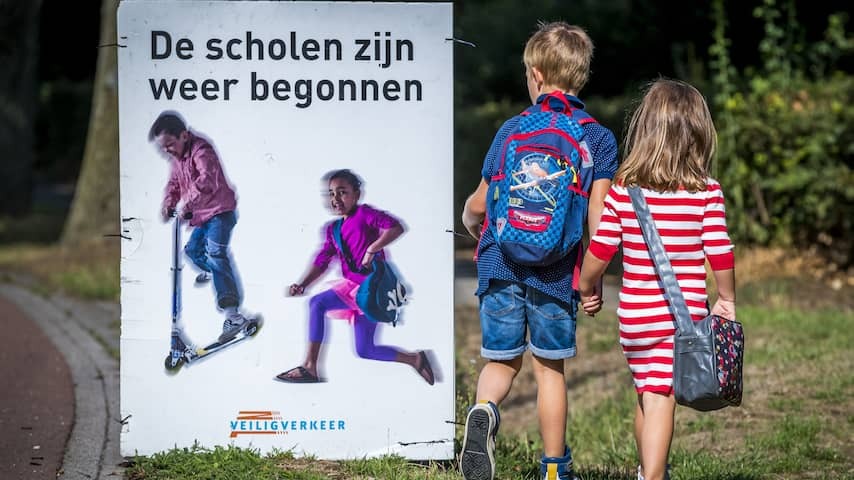
More and more municipalities come up with creative solutions for the problems with student transport, such as boarding places and carpooling. As a result, they have good hope this school year that students are less late. This is apparent from a tour of NU.nl along all Dutch municipalities.
A number of municipalities say that they have tightened the admission requirements for student transport or that they offer alternatives such as bicycles or public transport. “Student transport does not automatically mean a taxi bus,” explains the South Holland municipalities of Westland and Pijnacker-Nootdorp.
The Overijssel municipality of Deventer announced that it will switch to a system with boarding places, instead of students being picked up at home. Eindhoven says that carpooling with parents has made “financially attractive”.
Municipalities are responsible for student transport. Almost one in five children transported comes at least more than fifteen minutes late at school. In more than 60 percent of the schools investigated, more than 10 percent of the students cannot regularly participate in the lessons, according to a flash poll commissioned by the Ministry of Education, Culture and Science (OCW).
Traditionally, the more than 75,000 students who use student transport at the start of the school year come to school more often than normal. For example, because a new carrier has to enjoy himself. But most of the nearly hundred municipalities that responded to questions from Nu.nl say that they did not switch to another carrier this school year.
Ministry hopeful, but carriers are critical
OCW also expects fewer problems this school year. “Due to the extra attention that is for student transport in many municipalities,” a spokesperson explains on behalf of outgoing State Secretary Mariëlle Paul (Fundend Education and Emancipation).
The umbrella organization for passenger transport by road is pessimistic. “The problems in student transport are complex, otherwise they would have been resolved,” says Carlo Cahn on behalf of Royal Dutch Transport (KNV).
Cahn points to persistent capacity problems with providers and the changing regulations per municipality. The Association of Dutch Municipalities (VNG) underlines the “dire” driver deficit and also mentions traffic jams as a bottleneck.
Schools bound by legislation on school hours
Some municipalities hardly expect any driver shortages. But many more municipalities are worried.
For example, Deventer says that schools are inflexible with their opening times and “not cooperating” in solutions. As a result, carriers should also process a “huge peak load” on journeys.
Primary schools may only adjust their opening hours after permission from the Participation Council and the consultation of all parents, the umbrella organization PO Council responds. That is fixed in the Participation in Schools Act.
Interest organization Start ‘Start -up Survey’
The Parents & Education Foundation expects more reports at the start of this school year due to “new drivers through new tenders, but also new students and therefore new routes”. This year, the interest group is launching a survey among parents about start -up problems.
A number of municipalities are experiencing a loss of their own sense of responsibility among parents or guardians around student transport. The South Holland municipality of Zuidplas points to parents who submit their application too late.
The Brabantse Boekel is one of the municipalities that experience that parents are “rapidly inclined” to lay down responsibility at the municipality. “While the first responsibility for the transport of a child is with the parents.”
More and More Municipalities Are Devising Creative Solutions to the Problems With Student Transport, Such as Pick-up Points and Carpooling. As a result, they are hopeful this school year that students will be late less often. This is accordance to a survey by nu.nl or All Dutch Municipalities.
A Number of Municipalities have announced that they have tighted the admission requirements for student transport or that they sacrifice alternatives such as cycling or public transport. “Student transport does not automatically mean a taxi bus,” Explain the South Holland Municipalities of Westland and Pijnacker-Nootdorp.
The Overijssel Municipality of Deventer has announced that it is switching to a System with pick-up points, Instead of picking up Students at Home. Eindhoven Says That Has Made Carpooling with Parents “Financily Attractive.”
Municipalities Are Responsible for Student Transport. Almost One in Five Transported Children is more than Fifteen Minutes Late for school at Least Once A Week. At more than 60 percent of the schools surveyed, more than 10 percent of the students are regular unable to participate properly in lessons as a results, accordance to a flash survey commissioned by the ministry of education, culture and science (OCW).
Traditionally, the more than 75,000 students who use you student transport arrive Late for school more of than normal at the start of the school year. For Example, because a new carrier has to familiarize Themselves. But Most of the Almost One Hundred Municipalities That Responded to Questions From Nu.nl Say that they have not switched to a different carrier this school year.
Ministry Hopeful, But Carriers Are Critical
OCW also Expects FEWER PROJECTS THIS SCHOOL YEAR. “Because of the extra Attention that student transport is recovery in Many Municipalities,” Explains a Spokesperson on Behalf of Outgoing State Secretary Mariëlle Paul (Primary and Secondary Education and Emancipation).
The Umbrella Organization for Passenger Transport by Road is Pessimistic. “The Problems in Student Transport Are Complex, Otherwise They would have Been Resolved Already,” Says Director Carlo Cahn on Behalf of the Royal Dutch Transport (KNV).
Cahn Points to Persistent Capacity Problems at Providers and the Varying Regulations per Municipality. The Association of Dutch Municipalities (VNG) Underlines the “Urgent” Shortage of Drivers and also Mentions Traffic James As a Bottleneck.
Schools Bound by Legislation Regarding School Hours
Some Municipalities Expect Hardly Any Driver Shortages. But many more communities are worried.
For Example, Deventer Says That Schools Are Inflexible with Their Opening Hours and “Do Not Coopere” in Finding Solutions. As a result, carriers would also have to process an “huge peak load” or journeys.
Primary Schools May Only Adjust Their Opening Hours After Permission From The Participation Council and Consulting All Parents, Responds Umbrella Organization PO Council. This is laid down in the schools participation act.
Interest Group Starts ‘Start-Up Survey’
The Parents & Education Foundation Expects More Reports at the Start of this School Year Due to “New Drivers Due to New Tenders, But also New Students and Therefore New Routes”. The Interest Group is Launching a Survey Among Parents this year about start-up problems.
A Number of Municipalities Are Experiencing A Lack of Own Responsibility Among Parents Or Guardians with Regard to Student Transport. The South Holland Municipality of Zuidplas Points to Parents Who Submit Their Application Too Late.
The Brabant Municipality of Boekel is One of the Municipalities That Experience that Parents Are “Quick To” Place the Responsible With The Municipality. “While the first responsibility for the transport of a child lies with the parents.”